Hospitals worldwide are experiencing unprecedented operational pressures: increasing patient volumes, strict clinical auditing standards, and the urgency to eliminate medical administrative bottlenecks. In 2026, an effective Hospital Management System (HMS) is no longer a mere billing ledger—it is the digital operating spine of clinical survival.
1. Dynamic Inpatient Bed & Ward Allocation
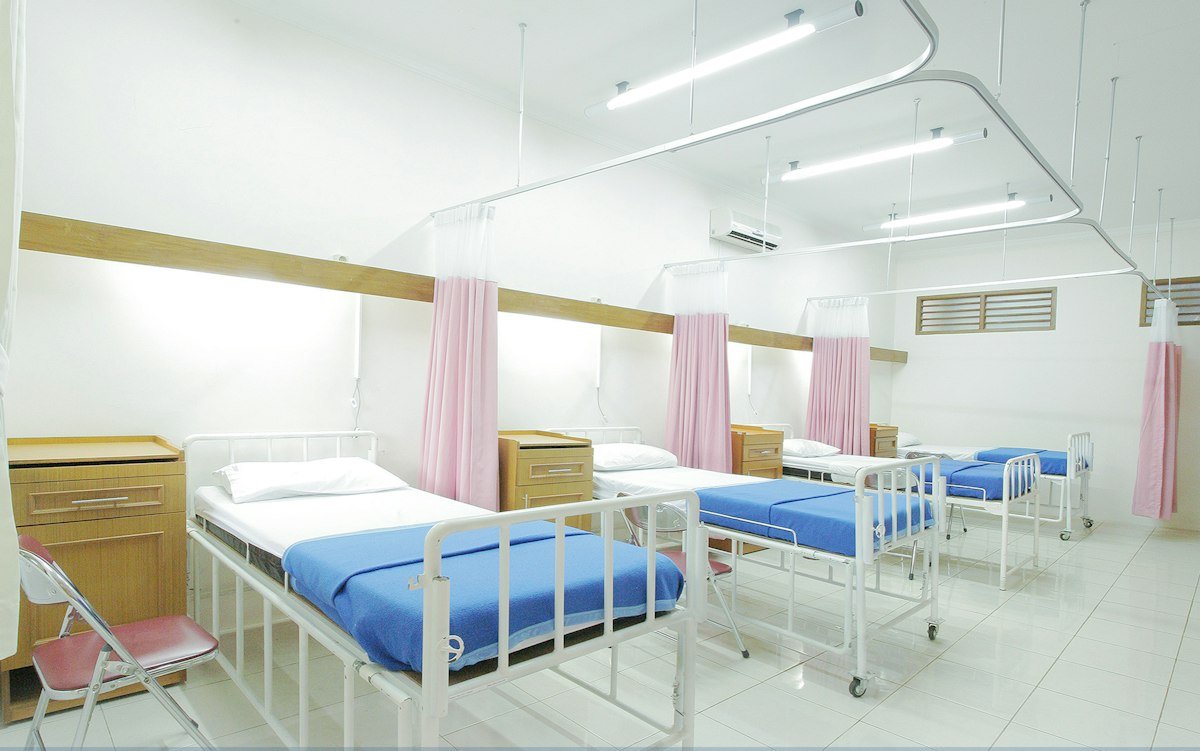
Bed turnaround delays lead directly to emergency department boarding and revenue loss. A modern HMS provides real-time, interactive floor maps showing occupancy status, sanitization schedules, nursing station assignments, and isolation requirements. Automated discharge notifications notify housekeeping immediately upon patient clearance.
2. Intelligent Operation Theatre (OT) & Surgeon Scheduling
Surgical suites represent both the highest revenue generator and the highest cost center. Modern OT modules synchronize anesthesiologist availability, surgeon calendars, specialized sterilization prep times, and recovery bed reservations to prevent costly table downtime.
3. Seamless OPD Triage and Smart Queue Management
Nobody enjoys waiting three hours in a crowded hospital corridor. With smart token dispatchers, SMS status notifications, and appointment load-balancing across doctor shifts, modern hospitals cut outpatient wait times by up to 60%.
4. Integrated Pharmacy Dispensing & Bedside Administration
By connecting pharmacy inventories directly to clinical orders, nurses receive real-time verification before administering medications, preventing drug interaction mistakes and ensuring automated, itemized patient billing.
5. Real-Time Laboratory Information Interfacing (LIMS)
Pathology and biochemistry tests must sync automatically with doctor observation charts via bi-directional ASTM and HL7 protocols, eliminating manual entry errors.
6. Automated Insurance TPA Claim Processing
Pre-authorization hold-ups cause immense patient friction at discharge. Modern HMS features automated ICD-10 diagnostic coding validation and electronic claim submission directly to insurance portals.
7. Electronic Medical Records (EMR) with Voice & Template Clinical Charting
Physicians shouldn't spend 40% of their day typing. Specialized clinical charting templates for cardiology, pediatrics, and orthopedics allow instant note completion in under 90 seconds.
Key Operational Takeaway
A unified clinical platform eliminates data silos, minimizes medication errors, and gives hospital administrators real-time KPI visibility on length of stay (LOS), bed turnover rates, and daily revenue collection.