100% HIPAA & HL7 v2/v3 Compliant Live Chat Staff Portal
Laboratory Systems 9 min read April 09, 2026 1,683 views

Diagnostic LIMS Integration: Interfacing Sysmex, Mindray & Roche Analyzers via ASTM/HL7

Eliminate manual test entry transcription errors. A technical walkthrough of bi-directional serial and TCP/IP interfacing between laboratory information systems and clinical analyzers.

EN
Eng. Bilal Ahmed
Lead Biomedical Software Architect
Share:
Diagnostic LIMS Integration: Interfacing Sysmex, Mindray & Roche Analyzers via ASTM/HL7
CareSuit380 Clinical Informatics Editorial Laboratory Systems
Executive Clinical Summary

This guide is published by CareSuit380's Healthcare Architecture Team to help clinical directors, hospital CFOs, and medical IT leads understand modern deployment benchmarks, regulatory constraints, and error-prevention methodologies.

A diagnostic laboratory processing 500 patient samples daily generates thousands of individual parameter readings: hemoglobin, platelets, creatinine, liver enzymes, and viral loads. Typing these results manually from machine printouts introduces a 2% to 5% clerical error rate. Bi-directional LIMS analyzer interfacing eliminates this risk entirely.

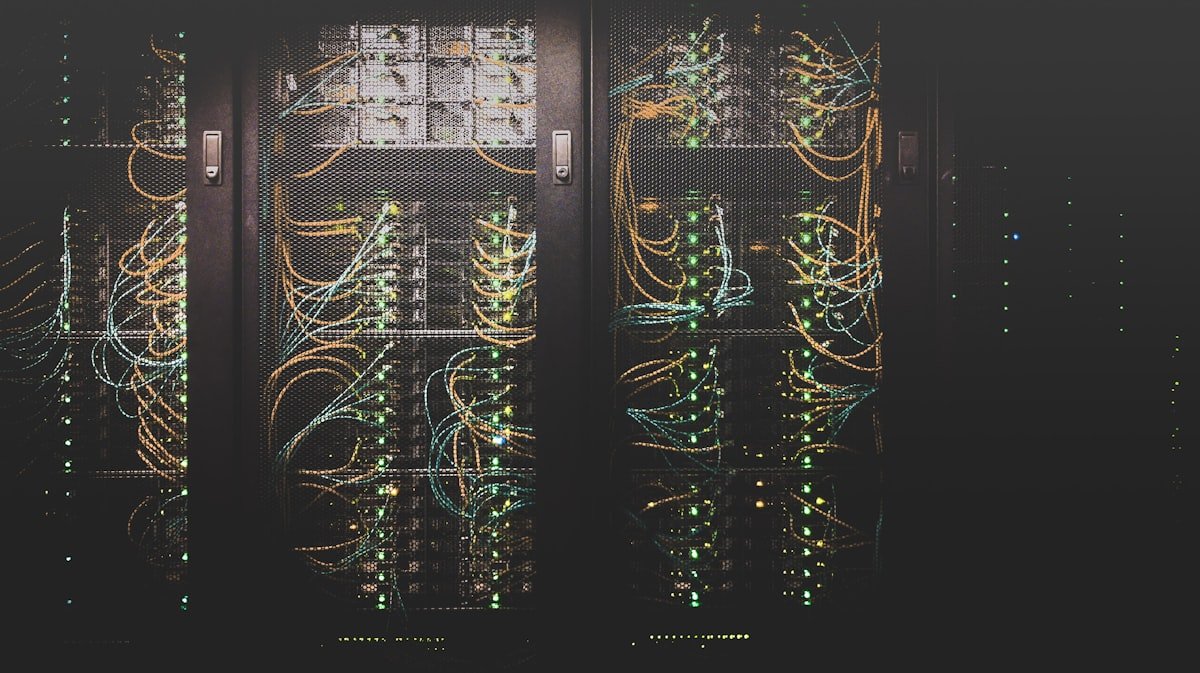
Clinical Laboratory Diagnostic Analyzers and Automation
Figure 3: Robotic Clinical Biochemistry & Hematology Analyzer Interfacing.

Uni-directional vs. Bi-directional Interfacing

Understanding the fundamental architectural difference:

  • Uni-Directional Interfacing: The analyzer performs tests, and results flow one way into the LIMS server via RS-232 serial cable or Ethernet TCP/IP port.
  • Bi-Directional Interfacing (Gold Standard): The phlebotomist scans the patient's barcoded vial. The analyzer queries the LIMS server for the required test profile, automatically executes only the ordered tests, and transmits the verified values back into the patient electronic report.

The Protocols: ASTM 1381/1394 & HL7 Standards

Most clinical analyzers (Sysmex, Mindray, Roche Cobas, Abbott Architect, Beckman Coulter) communicate using either ASTM E1381 (low-level framing) and ASTM E1394 (data content), or HL7 v2.x messaging standards (ORU^R01 observation results).

Critical Value Alerts for Emergency Patient Safety

When panic values are detected (e.g., serum potassium > 6.5 mmol/L or platelet count < 20,000/µL), the system triggers instant SMS and dashboard alerts to the pathologist and attending physician for immediate clinical intervention.


EN
Eng. Bilal Ahmed
Lead Biomedical Software Architect

Contributing expert at CareSuit380 specializing in clinical automation, Hospital Information Systems (HIS), electronic prescription standards, and healthcare cybersecurity compliance.

Search Knowledge Base
Request a Guided Hospital Walkthrough

See how CareSuit380 solves clinical bottlenecks, speeds up pharmacy billing, and secures medical records in real-time.

Book Live Demo
More From Our Knowledge Base

Related Healthcare Insights

Recommended clinical and technical reading tailored to Laboratory Systems.

View All Articles
Live Hospital Walkthrough

Experience CareSuit380 In Action

Discover how our unified Hospital, Pharmacy, and Clinic software suites streamline your daily clinical encounters, cut wait times, and eliminate billing leaks.